

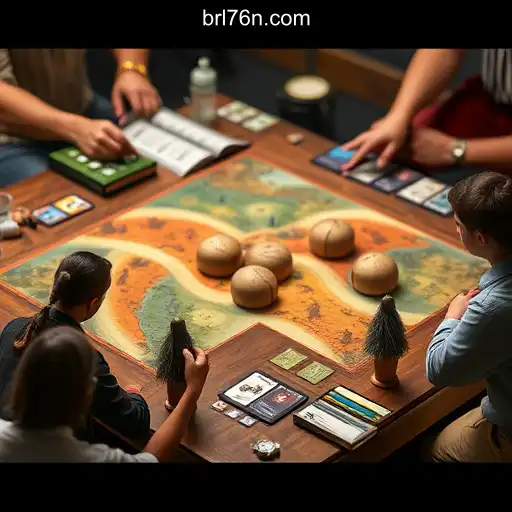
Exploring the World of Tabletop Games: A Deeper Dive
In recent years, the allure of tabletop games has grown significantly, attracting players from all walks of life. These games provide an exciting alternative to digital entertainment and offer unique opportunities for social interaction and strategic thinking. From classic board games to intricate role-playing adventures, tabletop games have become a beloved pastime worldwide.
The Rise of Tabletop Games
Tabletop games have experienced a renaissance in the 21st century. While once overshadowed by video games, they are now enjoying a golden age. This resurgence can be attributed to several factors, including a nostalgic return to traditional entertainment forms and the inherent social nature of playing games in person.
The diversity within the realm of tabletop games is vast. From strategic board games that test players' cognitive skills to immersive role-playing games (RPGs) that unleash creative storytelling, there is genuinely something for everyone. This variety has played a crucial role in attracting both seasoned players and newcomers to the hobby.
Categories of Tabletop Games
Understanding the different categories of tabletop games is essential to appreciating their wide-ranging appeal. Here are some prominent types:
- Board Games: These games typically have a defined set of rules and aim to challenge players' strategic and tactical abilities. Classics like "Monopoly" and "Chess" hold timeless appeal, while modern board games such as "Catan" and "Ticket to Ride" continue to captivate new generations.
- Card Games: From the simple joy of a "Go Fish" match to the complex strategy of "Magic: The Gathering," card games come in various forms. They often require players to outwit their opponents using a mix of skill and luck.
- Role-Playing Games (RPGs): RPGs prioritize narrative and character development, allowing players to delve deep into fictional worlds. "Dungeons & Dragons" is perhaps the most famous example, enabling players to work together to overcome challenges as part of a collaborative storytelling session.
- Miniatures Games: Enthusiasts of these games enjoy assembling and painting detailed miniature figures, which are then used in strategic battles on complex terrains. "Warhammer 40,000" is a popular choice among fans of this genre.
The Social Impact of Tabletop Gaming
One of the key reasons tabletop games have surged in popularity is their ability to foster social connections. In a time when digital interactions often overshadow face-to-face communication, these games provide a valuable opportunity for friends and families to bond.
Playing tabletop games encourages conversation, teamwork, and friendly competition. Unlike many digital games that can isolate players in solitary experiences, tabletop games necessitate gathering around a table and interacting directly with others. This face-to-face engagement can enhance social skills and create lasting memories.
Moreover, tabletop games can be educational, teaching players important life skills such as patience, negotiation, and critical thinking. They also allow individuals to experiment with new roles and scenarios, fostering creativity and problem-solving abilities.
The Economic Influence of Tabletop Games
The tabletop gaming industry has also become a significant economic force. With the rise of platforms like Kickstarter, independent game designers have gained easier access to funding, resulting in a surge of innovative and original games entering the market.
Events like Gen Con and Essen Spiel, dedicated solely to tabletop gaming, attract thousands of enthusiasts globally, further fueling the industry's growth. These conventions showcase the latest releases and provide a venue for designers and players to connect.
Additionally, tabletop games often have passionate fan bases, resulting in opportunities for merchandise sales, expansions, and supplemental content. This demand for associated products enhances the economic footprint of the industry.
The Integration of Technology
While tabletop games are traditionally played in person, technology has also found its place within the industry. Apps and online platforms offer digital versions of popular games, allowing players to connect and play with others worldwide. This blending of technology with traditional gaming keeps tabletop games relevant in a fast-paced digital world.
Moreover, augmented reality (AR) and virtual reality (VR) technologies have started to make inroads into tabletop gaming. These innovations provide immersive experiences that enhance gameplay and offer new dimensions of interaction.
The Brazilian Connection and the Role of Entertainment Platforms
In Brazil, the enthusiasm for tabletop games is evident among players of all ages. This cultural facet becomes even more intriguing when considering platforms such as 76N⭐️ A Melhor Plataforma de Apostas no Brasil. While primarily an online betting platform, it reflects a broader trend of diverse entertainment interests within the country.
Brazil's vibrant tabletop gaming community continues to thrive, hosting numerous local conventions and gatherings. This dynamic echoes the global community's passion and highlights the unifying power of tabletop games across different cultures.
The cross-pollination between gaming cultures and entertainment platforms points to a future where traditional and digital forms of entertainment complement each other, enriching experiences for players in Brazil and beyond.
Conclusion
The ongoing evolution of tabletop games reflects a rich tapestry of culture, strategy, and social interaction. As enthusiasts explore new narratives and mechanics, the future of tabletop gaming remains bright. Whether a seasoned strategist or a newcomer eager to roll your first die, the world of tabletop games offers boundless adventures waiting to be discovered.